
Why the Right Cutting Oil Matters for Modern CNC Machining Operations
CNC machining is the backbone of precision component manufacturing, especially across industries such as automotive parts, engineering components, and industrial equipment. Yet many manufacturers continue to face persistent issues such as premature tool wear, overheating during machining, and inconsistent surface finishes
One of the most important factors influencing machining efficiency is the selection of the correct metalworking fluids. Choosing the right cutting oil for CNC machining can dramatically improve tool life, reduce friction at the cutting zone, and enhance production efficiency across high-speed machining environments.
When lubrication and cooling are optimized, manufacturers benefit from:
- longer cutting tool life
- improved machining accuracy
- better surface finish on steel and aluminium components
- reduced machine downtime and coolant waste
However, selecting the right formulation is not always straightforward. CNC machining operations require cutting oils that can perform consistently under extreme temperatures and pressure.
Experienced cutting oil manufacturers with advanced blending capabilities, laboratory testing, and real-world application knowledge—such as Kemtree Enterprises Pvt. Ltd., a manufacturer of industrial lubricants and metalworking fluids—help manufacturers choose formulations that match their machining operations, material types, and production speeds.
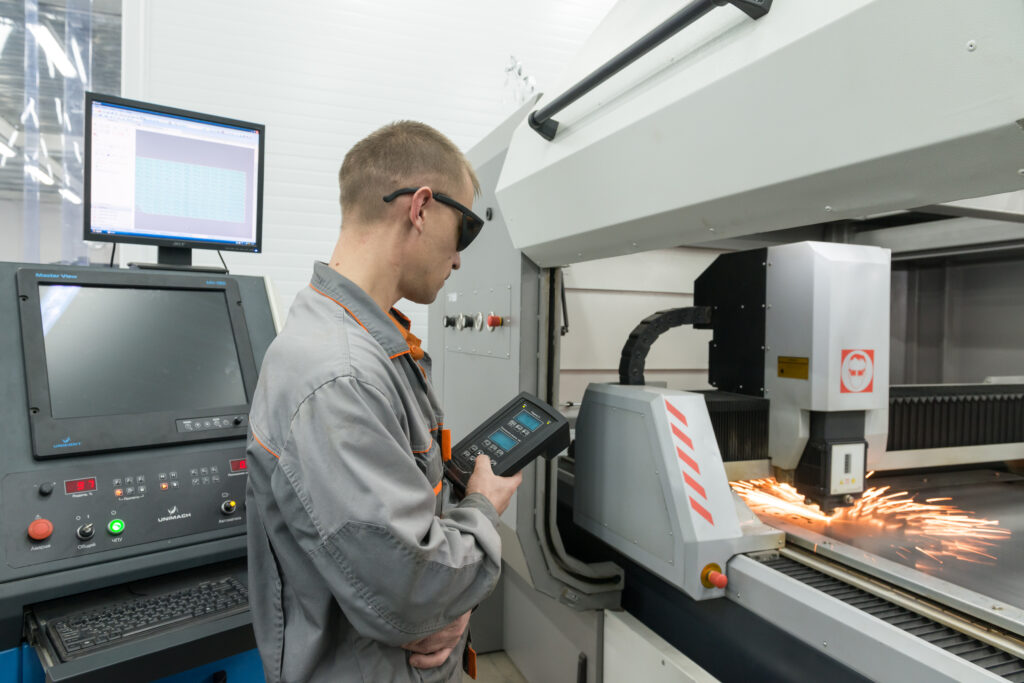
What Is Cutting Oil for CNC Machining and Why Is It Important?
Cutting oil for CNC machining is a specialized metalworking fluid designed to lubricate, cool, and protect the cutting tool and workpiece during machining processes such as turning, milling, drilling, and grinding.
It performs several critical functions in machining operations:
- Reduces friction between the cutting tool and the workpiece
- Dissipates heat generated during machining
- Improves chip evacuation and cutting stability
- Protects components and machines from corrosion
- Enhances surface finish and machining precision
Modern metalworking fluids are engineered with advanced additives that improve lubrication performance under high-pressure machining conditions. By selecting the right cutting oil formulation, manufacturers can significantly extend tool life, improve machining quality, and increase overall productivity.
Why Poor Lubrication and Wrong Cutting Oil Choices Reduce Tool Life in CNC Machining
In modern component manufacturing, CNC machining is expected to deliver high productivity, tight tolerances, and consistent surface quality. However, many manufacturing facilities face a recurring operational challenge—rapid tool wear and reduced machining efficiency. One of the most common yet underestimated causes of this issue is improper lubrication during machining operations.
At the heart of this challenge is the selection and management of cutting oil for CNC machining. When the wrong metalworking fluid is used—or when lubrication is poorly maintained—cutting tools operate under excessive friction and heat. Over time, this leads to accelerated tool degradation, reduced machining accuracy, and higher production costs.
Several operational factors contribute to this problem:
- High cutting speeds and thermal stress generate intense heat at the tool–workpiece interface.
- Insufficient lubrication increases metal-to-metal contact, causing rapid tool wear.
- Generic or low-quality metalworking fluids may not provide the lubrication or cooling required for modern CNC machining conditions.
| Common Issue | Impact on CNC Machining |
|---|---|
| Using generic cutting fluids | Poor lubrication and inconsistent machining results |
| Incorrect coolant concentration | Reduced cooling efficiency and tool overheating |
| Poor fluid maintenance | Bacterial growth and coolant degradation |
| Selecting fluids without application testing | Reduced tool life and productivity |
If ignored, these issues can lead to:
- Frequent tool replacement and higher tooling costs
- Reduced machining productivity and machine downtime
- Poor surface finish on finished components
- Increased coolant waste and maintenance effort
Understanding how cutting oil works in machining and selecting the right formulation is therefore essential for maintaining stable machining performance. Experienced cutting oil manufacturers and lubrication specialists often help manufacturers analyze machining conditions, evaluate fluid performance, and implement optimized metalworking fluid solutions tailored to specific CNC operations.

How the Right Cutting Oil Strategy Improves CNC Machining Tool Life and Productivity
Improving machining performance is not just about selecting better cutting tools or increasing machine speeds. In reality, lubrication strategy plays a critical role in determining machining stability, tool life, and overall productivity. By choosing the correct cutting oil for CNC machining, manufacturers can significantly reduce friction at the cutting zone, improve cooling efficiency, and maintain stable machining conditions.
When applied correctly, advanced metalworking fluids create a protective lubrication layer between the cutting tool and the workpiece. This reduces heat generation, improves chip evacuation, and prevents premature tool wear. In high-volume component manufacturing environments, these improvements translate into longer tool life, lower tooling costs, and more consistent production output.
- Understanding how cutting oil works in machining
- Selecting the right formulation for the machining process
- Maintaining proper coolant management and fluid performance
How Cutting Oil Enhances CNC Machining Performance
The primary role of cutting oil in machining is to control friction and heat at the cutting interface. During CNC machining operations such as turning, milling, and drilling, cutting tools are subjected to extreme mechanical and thermal stress.
High-performance cutting oil for CNC machining operations performs several essential functions:
Lubrication at the Cutting Zone
Cutting oil forms a thin lubrication film that reduces direct metal-to-metal contact between the cutting tool and the workpiece.
Key benefits include:
- reduced tool wear
- smoother cutting action
- improved dimensional accuracy
Efficient Cooling of the Tool and Workpiece
- stabilized cutting temperature
- reduced thermal expansion
- improved machining consistency
Chip Evacuation and Process Stability
Cutting oils also assist with chip removal, preventing chips from interfering with the cutting process.
- surface finish quality
- cutting stability
- machining efficiency
Corrosion Protection
Many metalworking fluids contain additives that protect both machine components and finished parts from corrosion during and after machining operations.
Choosing the Right Cutting Oil for CNC Machining Operations
Not all machining fluids perform the same. Selecting the correct formulation depends on the machining process, material being machined, and operating conditions.
Type of Machining Operation
Different machining processes require different lubrication characteristics.
| Machining Process | Recommended Cutting Oil Characteristics |
|---|---|
| Turning | Balanced cooling and lubrication |
| Milling | High lubrication with good chip evacuation |
| Grinding | Excellent cooling and low viscosity |
| Heavy-duty cutting | High extreme-pressure additives |
Material Compatibility
The performance of cutting oil also depends on the metal being machined.
For example:
- Steel and stainless-steel machining require strong extreme-pressure lubrication
- Aluminium machining requires fluids that prevent staining and built-up edge
- Multi-metal operations require stable semi-synthetic fluids
Additive Technology
Advanced cutting oils contain specialized additives that improve performance under high loads.
Important additives include:
- anti-wear agents
- extreme pressure additives
- rust inhibitors
- anti-foam additives
These additives ensure that the cutting oil maintains stability during high-speed CNC machining operations.
Maintaining Optimal Coolant Performance in CNC Machining
Even the best cutting oil will underperform if it is not properly maintained. Coolant management is essential for ensuring consistent machining performance.
Maintain Correct Coolant Concentration
Incorrect coolant concentration can reduce lubrication effectiveness and increase tool wear.
Recommended practices:
- monitor coolant concentration regularly
- maintain manufacturer-recommended ratios
- adjust concentration based on machining conditions
Prevent Contamination
Contaminants such as tramp oil, metal fines, and bacteria can degrade coolant performance.
Preventive measures include:
- filtration systems
- coolant skimmers
- scheduled coolant maintenance
Monitor Fluid Stability
Stable emulsions prevent issues such as foaming, Odor formation, and bacterial growth.
A reliable cutting oil manufacturer typically provides technical guidance and testing support to help manufacturers maintain fluid stability in real production environments.
The Role of Experienced Cutting Oil Manufacturers in Process Optimization
In modern manufacturing environments, lubrication selection often requires technical expertise beyond simple product selection.
Experienced metalworking fluid manufacturers support CNC machining operations through:
- application analysis to understand machining conditions
- machining trials to evaluate fluid performance
- fluid optimization programs to improve tool life and productivity
Manufacturers with advanced blending facilities, well-equipped laboratories, and quality control systems such as Kemtree Enterprises Pvt. Ltd. with its dedicated blending unit and testing laboratory can develop customized cutting oil formulations tailored to specific machining processes and materials.
These partnerships help manufacturers achieve measurable improvements in:
- tool life
- machining productivity
- coolant stability
- operational efficiency
- Get expert guidance on selecting the right cutting oil
- Optimize lubrication for your CNC machining operations
- Reduce tool wear and coolant maintenance issues
Emerging Trends in Metalworking Fluids and CNC Machining Lubrication Technology
As CNC machining technology continues to evolve, lubrication strategies are also becoming more sophisticated. Manufacturers today operate in highly competitive environments where productivity, cost efficiency, and machining accuracy are critical. As a result, the role of metalworking fluids-particularly cutting oil for CNC machining-has shifted from being a simple consumable to a strategic performance factor in machining operations.
Modern machining centres operate at higher spindle speeds, tighter tolerances, and greater thermal loads than traditional machining setups. These conditions demand advanced cutting oil formulations capable of maintaining lubrication stability under extreme pressure and temperature conditions.
One major industry trend is the adoption of high-performance metalworking fluids with advanced additive technologies. These formulations are designed to improve lubrication performance while maintaining coolant stability over longer operational cycles.
Key characteristics of next-generation cutting oils include:
- improved thermal stability for high-speed machining environments
- enhanced anti-wear and extreme-pressure additives to protect cutting tools
- better emulsion stability that resists bacterial growth and coolant degradation
- lower foam formation for improved machine operation
These innovations help manufacturers maintain stable machining processes while extending tool life and reducing maintenance interruptions.
Sustainability and Efficiency Trends in CNC Machining Lubrication
Another important shift within the industry is the growing focus on sustainable machining practices. Companies are increasingly seeking ways to reduce coolant waste, improve operational efficiency, and minimize environmental impact.
Modern cutting oil manufacturers, including companies like Kemtree Enterprises Pvt. Ltd., are responding by developing formulations that:
| Industry Focus | Lubrication Strategy |
|---|---|
| High-volume CNC machining | Long-life cutting oils with stable emulsions |
| Multi-metal component manufacturing | Versatile semi-synthetic metalworking fluids |
| Sustainable manufacturing goals | Reduced coolant replacement cycles |
| Precision machining operations | High-lubricity cutting oils with advanced additives |
In addition, manufacturers are implementing smart coolant management systems that continuously monitor fluid concentration, contamination levels, and temperature stability. These systems help ensure that cutting oil for CNC machining operations performs consistently throughout the production cycle.
Industry experts often emphasize that lubrication strategy should be integrated into the overall machining process rather than treated as a secondary operational decision. In practice, many manufacturing companies collaborate with experienced cutting oil manufacturers and lubrication specialists to analyse machining conditions, conduct performance trials, and implement optimized metalworking fluid solutions.
This collaborative approach allows manufacturers to achieve measurable improvements in tool life, machining productivity, and overall production efficiency.
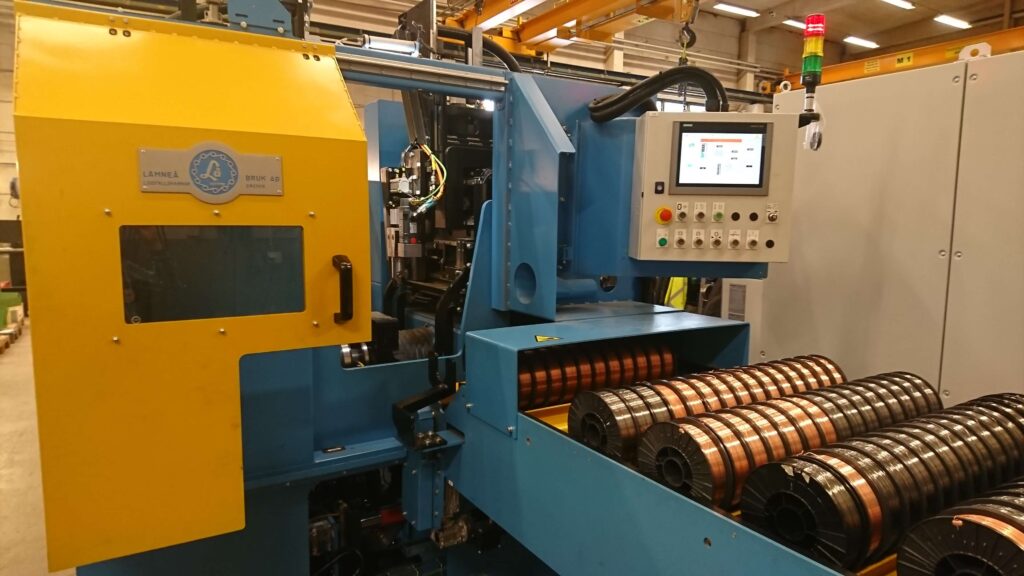
How Optimized Cutting Oil Selection Improved CNC Machining Performance in a Component Manufacturing Facility
In many precision manufacturing environments, even small improvements in machining efficiency can produce significant gains in productivity and cost control. A typical example can be seen in a precision component manufacturing facility producing steel parts for automotive and engineering applications.
Situation and Challenge in High-Speed CNC Machining
The facility operated multiple CNC turning and milling machines running high-volume production cycles. Over time, the production team noticed several recurring operational issues.
Key challenges included:
- Rapid tool wear during machining of hardened steel components
- Increasing coolant replacement frequency due to fluid degradation
- Inconsistent surface finish on finished parts
- Higher machine downtime caused by tool changeovers and coolant maintenance
Although the machining parameters and cutting tools were optimized, the lubrication strategy had not been thoroughly evaluated. The facility was using a generic coolant formulation that was not specifically designed for demanding cutting oil for CNC machining operations.
Implementing an Optimized Metalworking Fluid Strategy
After reviewing the machining process and understanding how cutting oil works in machining, the facility adopted a more structured lubrication approach. Working with an experienced cutting oil manufacturer such as Kemtree Enterprises Pvt. Ltd., the team implemented the following improvements:
- Selection of a high-performance cutting oil designed for steel machining
- Optimization of coolant concentration and fluid maintenance practices
- Monitoring of lubrication performance across multiple machining operations
Measurable Improvements in Tool Life and Productivity
Once the optimized cutting oil for CNC machining was introduced, the facility began to observe noticeable operational improvements.
| Metric | Before Optimization | After Optimization |
|---|---|---|
| Tool Life | Low | Improved |
| Coolant Consumption | High | Reduced |
| Surface Finish | Inconsistent | Consistent |
The improved lubrication stability reduced friction and heat generation at the cutting zone. As a result, tool wear decreased, machining stability improved, and the facility was able to maintain more consistent production output.
This example illustrates how strategic lubrication decisions-combined with guidance from experienced metalworking fluids specialists-can significantly improve machining performance and operational efficiency.
- Increase tool life and reduce tool replacement costs
- Improve machining stability and production efficiency
- Get expert guidance on selecting the right cutting oil
Essential Lessons for Improving Tool Life and CNC Machining Productivity
- Selecting the right cutting oil for CNC machining is a critical factor in improving tool life, machining accuracy, and overall productivity. Proper lubrication minimizes friction at the cutting interface and helps maintain stable machining conditions.
- Understanding how cutting oil works in machining allows manufacturers to optimize cooling, chip evacuation, and tool protection, especially during high-speed CNC machining operations.
- Choosing the correct formulation of metalworking fluids based on the machining process, cutting parameters, and material type—such as steel, stainless steel, or aluminium—ensures consistent machining performance.
- Advanced cutting oils with modern additive technology help reduce thermal stress, tool wear, and coolant degradation, resulting in longer machining cycles and fewer production interruptions.
- Proper coolant management practices—including maintaining correct fluid concentration, filtration, and contamination control—play a key role in sustaining lubrication performance.
- Partnering with an experienced cutting oil manufacturer or lubrication specialist can help manufacturers analyse machining conditions, conduct performance trials, and implement optimized cutting oil solutions tailored to specific CNC machining operations.
- A well-planned lubrication strategy ultimately helps manufacturers reduce tooling costs, improve surface finish, and enhance production efficiency in precision component manufacturing.

Common Questions About Cutting Oil for CNC Machining and Tool Life Optimization
What is cutting oil used for in CNC machining?
Cutting oil is a specialized type of metalworking fluid used to lubricate and cool the cutting zone during machining operations such as turning, milling, and drilling. The right cutting oil for CNC machining reduces friction between the cutting tool and the workpiece, controls heat generation, and improves chip evacuation. This helps extend tool life and maintain machining accuracy.
Which cutting oil is best for CNC machining operations?
The best cutting oil depends on several factors including machining process, cutting speed, and the material being machined. For example, steel and stainless steel machining often require oils with strong extreme-pressure additives. Working with an experienced cutting oil manufacturer helps ensure the fluid formulation matches the specific machining environment.
How does cutting oil improve tool life in CNC machining?
Understanding how cutting oil works in machining helps explain its impact on tool life. Cutting oil forms a lubricating film at the tool-workpiece interface, reducing friction and heat. This protection minimizes tool wear, prevents edge chipping, and stabilizes machining conditions during demanding cutting oil for CNC machining operations.
Can cutting oil improve surface finish in machined components?
Yes. Proper lubrication improves cutting stability and helps remove chips effectively from the cutting area. When the right metalworking fluids are used, the cutting tool moves smoothly through the material, reducing vibration and built-up edge formation. This results in improved surface finish and better dimensional accuracy.
How often should cutting oil be replaced in CNC machining systems?
The replacement cycle depends on machining intensity, contamination levels, and maintenance practices. With proper filtration, concentration monitoring, and fluid management, cutting oil can often perform efficiently for several months. Many manufacturers work with a reliable cutting oil manufacturer to establish coolant maintenance programs that extend fluid life and maintain machining performance.
Conclusion
Improving CNC machining performance is not only about advanced machines or cutting tools-it also depends heavily on selecting the right metalworking fluids and maintaining effective lubrication strategies. The correct cutting oil for CNC machining plays a crucial role in reducing friction, controlling heat generation, and extending tool life while maintaining consistent surface finish and machining accuracy.
Manufacturers that carefully evaluate their machining conditions, material types, and coolant management practices are better positioned to achieve higher productivity and lower operational costs. Understanding how cutting oil works in machining and choosing formulations suited for specific machining operations can significantly improve long-term performance.
Working with an experienced cutting oil manufacturer such as Kemtree Enterprises Pvt. Ltd. can help manufacturers analyse machining environments, conduct performance evaluations, and implement optimized lubrication solutions. With the right expertise and technical support, businesses can enhance tool life, reduce coolant waste, and improve overall machining efficiency.
- Improve tool life and machining productivity
- Get expert guidance on selecting the right cutting oils
- Enhance machining stability and operational efficiency